Introduction
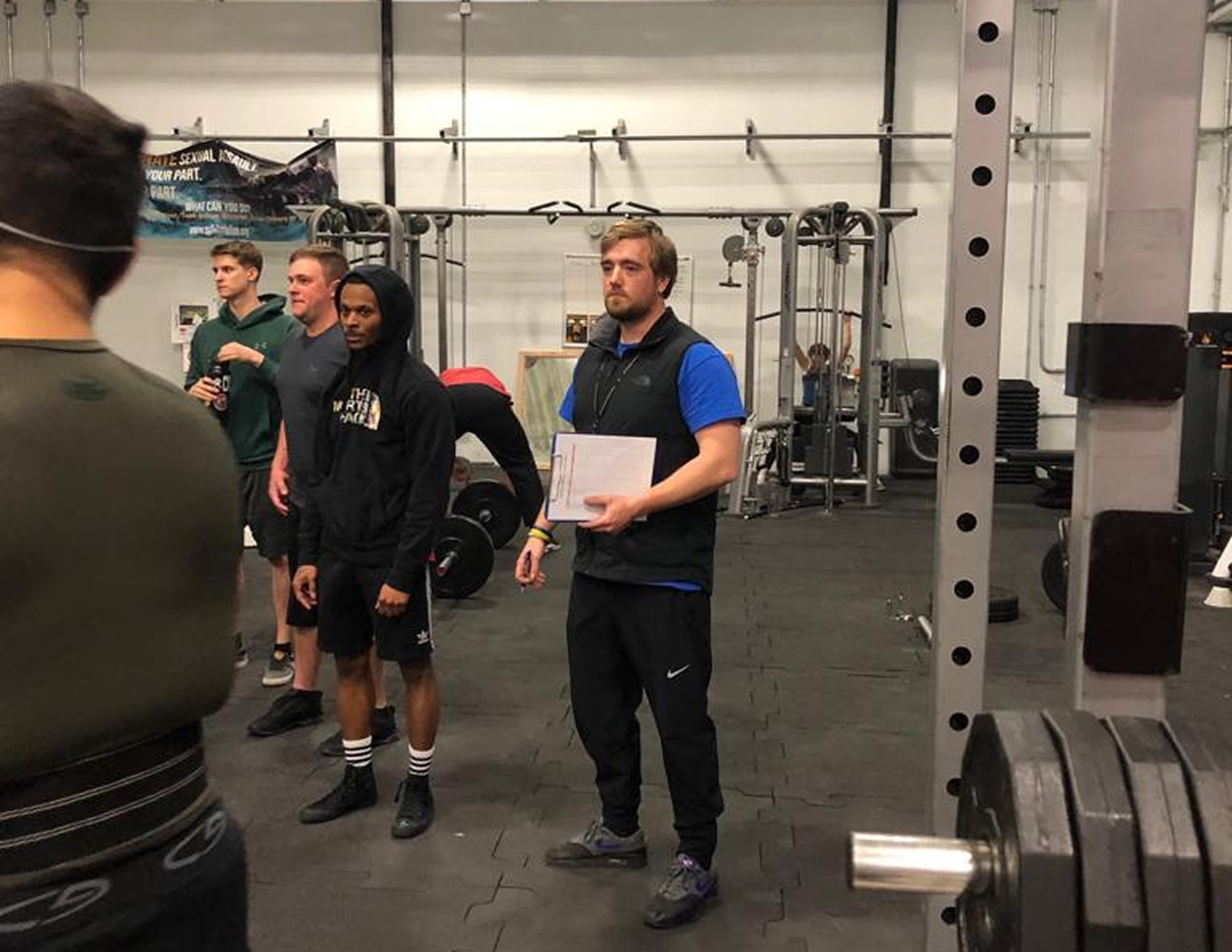
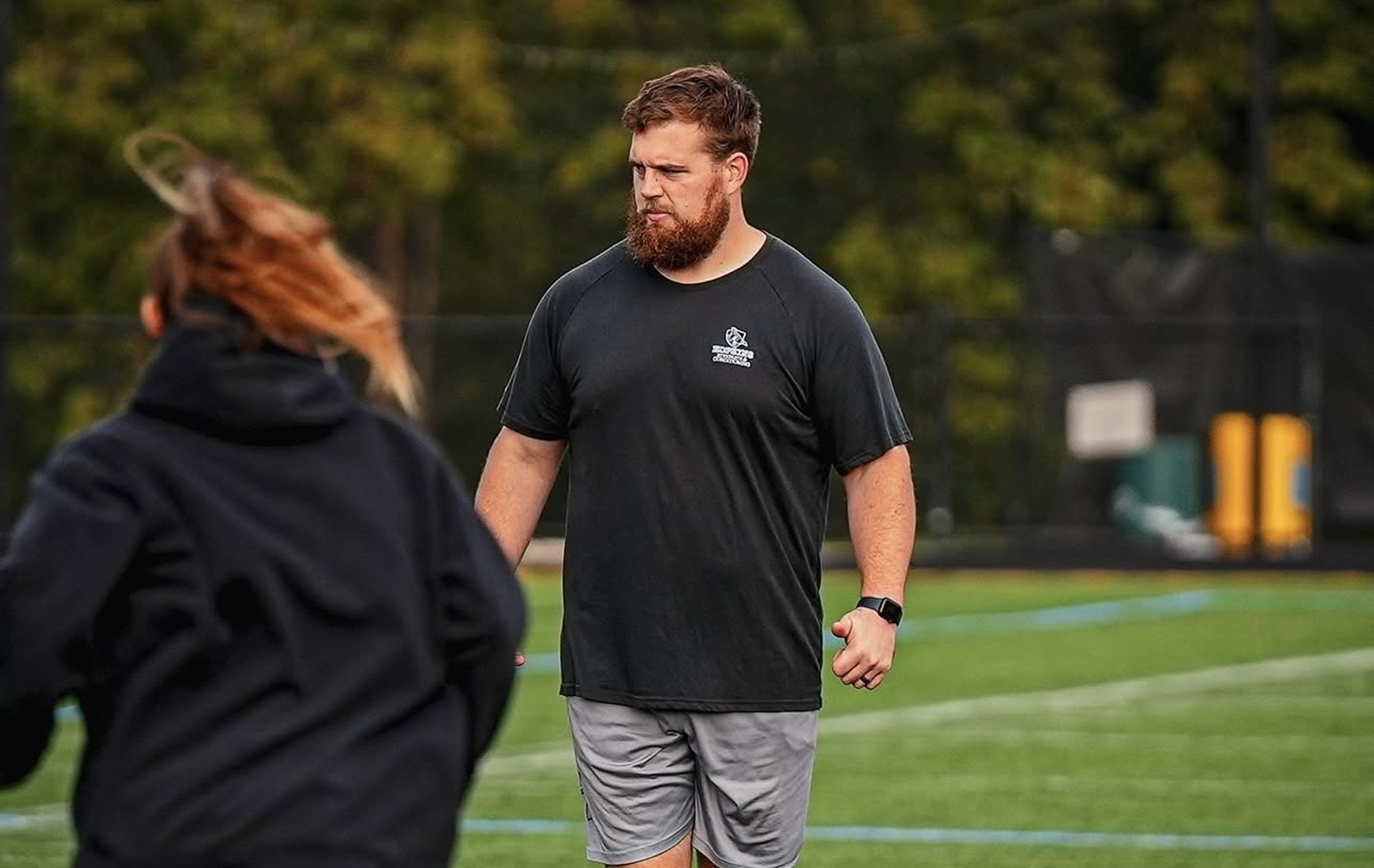
Trevor Terpening, H2F Contractor and Installation Lead Strength & Conditioning Coach for the 3rd Armored Brigade Combat Team at Fort Bliss, inherited a challenge familiar to many large military installations: managing human performance programs for thousands of service members without adequate systems for oversight, accountability, or data collection. While the Army's Holistic Health and Fitness (H2F) program provided a strong philosophical framework, the operational reality of coordinating physical training across seven battalions and more than 4,200 soldiers revealed significant gaps in execution and visibility.
“We're looking for ways to gain accountability with soldiers and present hard data to big Army and our brigade counterparts,” Terpening said.
What the brigade needed was a scalable platform that could accommodate the Army's complex organizational structure while providing leadership teams with the visibility and reporting capabilities to make informed decisions about soldier readiness. The TeamBuildr suite provided this capability, enabling the brigade to transition from fragmented email-based PT plan submissions to an integrated, data-driven system that serves both tactical and administrative requirements across the enterprise.
Challenges
The scope of Terpening's mission presented formidable organizational and technological obstacles. The Army's hierarchical structure, from individual squads up through teams, platoons, companies, and battalions, meant that each echelon required its own programming approach. Every platoon across the brigade needed unique PT plans tailored to their mission requirements, training cycle, and soldier capabilities. This created a coordination challenge that existing processes couldn't adequately address.
“Before TeamBuildr, I would field email after email, sometimes after hours,” Terpening said. “Now I hit my calendar tab, review all the platoons, and I'm done.”
The lack of accountability mechanisms presented another critical issue. PT plans were submitted as basic box calendars with exercise descriptions but no verification of actual execution. Company commanders and platoon sergeants had no reliable method to confirm their soldiers were following prescribed programs or progressing appropriately. This absence of oversight meant that underperforming service members could go undetected until physical fitness test failures or injuries revealed the problem.
Data requirements added complexity. Brigade leadership needed concrete metrics to justify resource allocation, demonstrate program effectiveness, and identify intervention opportunities. “We're looking for different ways to give NCOs accountability for their soldiers,” Terpening said. Traditional paper-based systems provided neither the granularity nor the accessibility required for meaningful analysis across thousands of soldiers.
The brigade's operational tempo further complicated implementation. Having just returned from a nine-month deployment rotation in Europe, where geographic dispersion meant some forward operating locations lacked basic training equipment, the unit faced the challenge of standardizing practices while accommodating inevitable variations in facility capabilities and training priorities across installations.
Solution
The TeamBuildr system's implementation at Fort Bliss required substantial foundational work to accommodate the Army's organizational complexity. Terpening and his team spent several months creating the infrastructure necessary to support brigade-wide deployment. This included establishing separate calendar groups for each battalion, then subdividing those into company-level groups, and finally creating individual platoon calendars within each company. The result was a hierarchical system mirroring the brigade's actual structure while maintaining appropriate access controls and reporting visibility.
“We spent several months laying the groundwork, creating calendars, coach accounts, athlete accounts, and join codes,” Terpening said. “Once that's done, the system is self-propagating.”
The team populated the platform with hundreds of prebuilt PT plans spanning various training methodologies and objectives. This exercise library addressed a common limitation among strength coaches. “We tend to get siloed as strength coaches,” Terpening said. “It's nice to have all these different types of programs at our fingertips.”
This comprehensive programming library enabled company commanders and platoon leaders to select appropriate cycles for their units without requiring custom plan development for each training phase. The streamlined selection process converted PT planning from a labor-intensive coordination task into a straightforward administrative function.
The TeamBuildr system's reporting capabilities provided the visibility that had previously been absent. Terpening can now access completion reports showing which soldiers are executing their assigned training, progress reports tracking performance improvements on selected exercises, and comparison reports enabling him to evaluate different units' results over standardized evaluation periods. “I recently showed battalion commanders the comparison and evaluation reports,” Terpening said. “We can compare units based on their results over the past six weeks.”
The platform's messaging functionality facilitated communication between coaches and unit leadership without adding administrative burden. Platoon leaders can notify Terpening when their soldiers will be unavailable for training due to field exercises, weapons qualifications, or other operational requirements. This real-time communication ensures that accountability metrics accurately reflect actual training opportunities.
Results
The shift in workflow efficiency has been substantial. Rather than managing PT plan submissions through individual email exchanges with dozens of platoon leaders across the brigade, Terpening now conducts quality assurance reviews by systematically evaluating calendars within TeamBuildr and updating them as needed. This process consolidation has eliminated countless hours of administrative coordination while improving oversight consistency.
The accountability mechanisms have fundamentally changed how leaders interact with soldier performance data. “I can see who's doing PT and who's not,” Terpening said. When completion reports reveal that a soldier has plateaued on a particular exercise for multiple consecutive weeks, leadership can initiate conversations about whether the soldier is sandbagging or experiencing a training issue requiring intervention.
This data visibility has allowed Terpening to identify and share best practices across the brigade. By reviewing calendar data alongside Army Training Management System records, he can identify high-performing platoons, analyze their programming approaches, and recommend proven methodologies to other units. “We're seeing explosions in their ACFT scores and reductions in injuries,” Terpening said. “This might be a best practice we can implement across the board.”
The platform has proven particularly valuable for Terpening's role as mentor and advisor to leadership teams. Company and battalion commanders can now access objective performance data to inform their training decisions. “A lot of my role is interpretation and advisement for leadership teams,” Terpening said. “I tell them what's working, what's causing injuries, and what's creating more resilient soldiers.”
The customer support experience has exceeded expectations throughout the implementation process. “Anytime I need anything, my main contact gets back to me,” Terpening said. “It's not just solving problems – she educates me so I can be self-reliant.” Responsiveness and commitment to education has been instrumental in equipping Terpening's staff to own their solution.
Most significantly, TeamBuildr has empowered the brigade to establish a sustainable foundation for long-term human performance management. The initial investment in system architecture and training has created a platform that will continue supporting soldier readiness across training cycles and deployment rotations. The result demonstrates how large military organizations can leverage commercial technology to improve both operational efficiency and the quality of soldier support at an enterprise scale.


.png?width=40&height=40&name=Logo%20(1).png)